



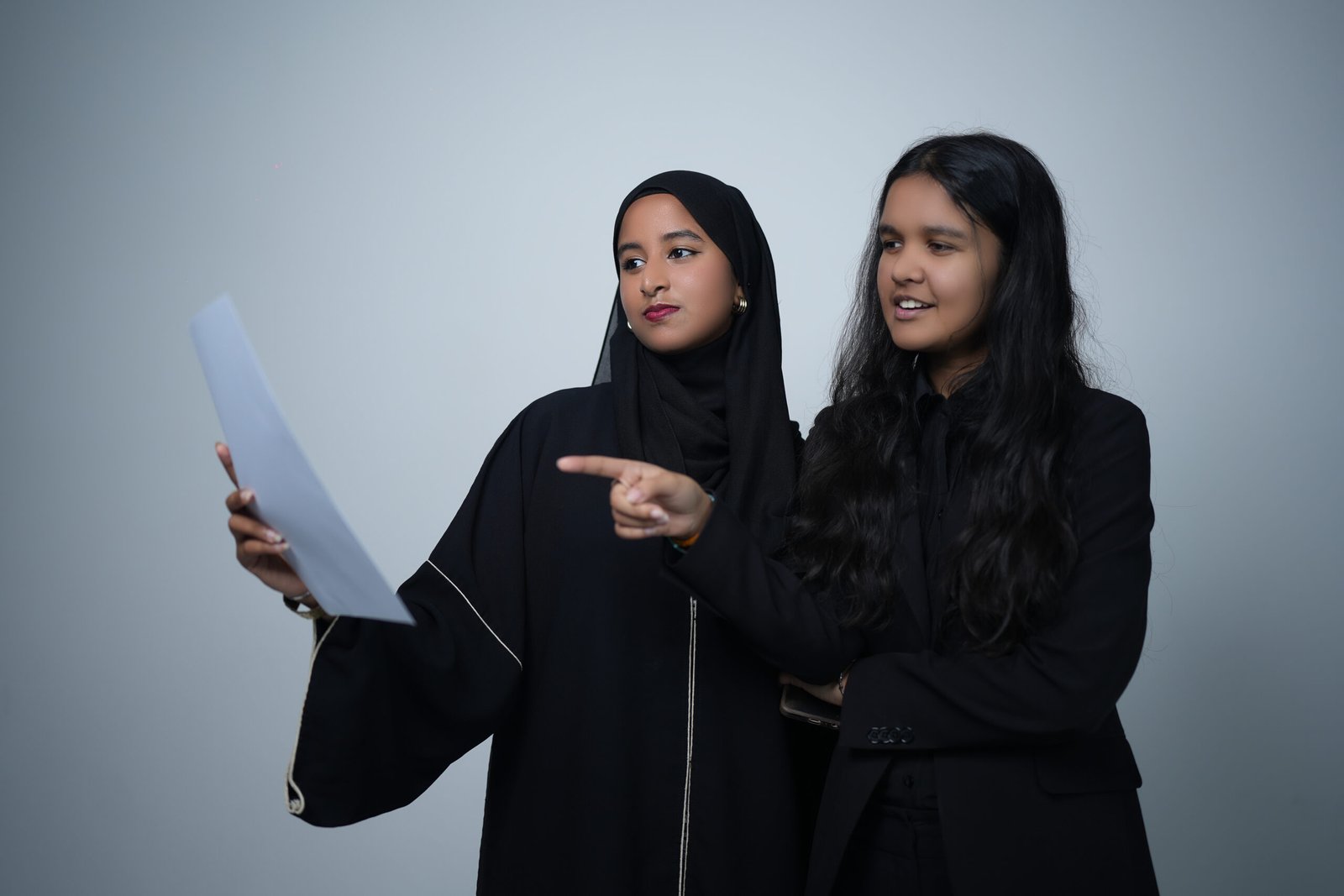
Why Translators Are Crucial for Multilingual Events in Dubai: Beyond Words
Dubai is not just a city; it’s a global crossroads. A melting pot where over 200 nationalities converge, bringing with them a dizzying array of languages, cultures, and business customs. In this vibrant, international context, an event is more than a gathering—it’s a diplomatic mission. The success of a conference, product launch, or corporate gala here doesn’t just hinge on the content; it hinges on connection.
And nothing builds or breaks a connection faster than language.
At OnForce, we’ve seen firsthand how a single miscommunication can derail a million-dollar deal or offend a key partner. This is why we don’t view translators as a luxury add-on but as critical infrastructure for any multilingual event in Dubai. They are the unsung architects of understanding, the vital bridge that turns a room of diverse individuals into a unified audience.
More Than Translation: The Art of Interpretation
First, let’s distinguish between two key roles, often confused:
Translators typically work with written text.
Interpreters work with the spoken word in real-time.
For live events, we’re almost always talking about interpreters. But their job goes far beyond substituting words from one language for another. A skilled interpreter is a cultural conductor, capturing tone, nuance, humor, and intent. They ensure the CEO’s strategic vision is delivered in English-speaking lands with the same impact and inspiration for the Arabic, Mandarin, Russian, or Spanish-speaking attendees.
In a city like Dubai, where high-stakes business is the norm, this isn’t just about convenience—it’s about respect, professionalism, and ROI.
The Invisible Risks of “Winging It”
Some event organizers might consider cutting this corner, relying on bilingual staff or hoping everyone understands English. This is a perilous gamble.
1. The Nuance Gap: A bilingual employee might know the words, but do they know the industry jargon? Can they convey the subtle punchline of a joke that lands perfectly in the original language? Misinterpreting a technical term or a casual idiom can lead to confusion, embarrassment, or worse, a serious business misunderstanding.
2. The Professionalism Problem: Asking a member of your team to step away from their primary role to interpret is inefficient and unfair. It divides their attention and guarantees neither their main job nor the interpretation will be done to the highest standard. It signals to your guests that clear communication wasn’t a priority worth investing in.
3. The Cultural Offense: Language is deeply tied to culture. A direct translation can sometimes be unintentionally rude or dismissive in another culture. A professional interpreter understands these nuances instinctively. They navigate cultural taboos and etiquette, ensuring your message is not only heard but also received appropriately.
The OnForce Approach: Precision-Led Language Solutions
When we provide interpreters for an event, we are providing more than a language skill set. We are providing a strategic communications partner. Here’s what that looks like in practice:
Pre-Event Briefing: Our interpreters don’t just show up. They receive briefs, glossaries, presentation decks, and context about your company and the event’s objectives. If your presentation is full of technical financial terms or specific industry acronyms, they come prepared. This preparation is what separates a professional from an amateur.
The Right Modality for the Right Event:
Simultaneous Interpretation (The UN Style): Interpreters work from a soundproof booth, translating in real-time as the speaker talks. Attendees listen through headsets. This is essential for large international conferences, formal summits, or any event where stopping for translation would break the flow. It’s seamless and efficient.
Consecutive Interpretation: The interpreter translates during natural pauses in the speech. Ideal for smaller meetings, workshops, legal proceedings, or Q&A sessions where a more personal touch is required.
Cultural Fluency: Our professionals are chosen not just for their linguistic skills but for their cultural intelligence. They understand the business etiquette of the Middle East, the communication styles of Asia, and the expectations of Western delegates. They ensure your event resonates on every frequency.
The Tangible ROI of Clear Communication
Investing in professional interpretation isn’t an expense; it’s an investment with a clear return.
Inclusivity and Engagement: When attendees can understand everything in their native language, their engagement soars. They ask more questions, participate more actively, and absorb more information. You are not excluding a single person in the room.
Enhanced Brand Reputation: It demonstrates a profound level of respect for your international partners and clients. It shows you’ve thought about their experience down to the last detail, elevating your brand’s perception as sophisticated, professional, and globally-minded.
Risk Mitigation: You eliminate the dangerous game of Chinese whispers and ensure your core message, data, and calls to action are transmitted with 100% accuracy to every stakeholder. In the world of business, clarity is currency.
In a city built on the very principle of bringing the world together, your event should be a testament to that spirit. Don’t let language be a barrier that divides your audience. Let it be the bridge that connects them.
At OnForce, we provide the architects for that bridge. We ensure that in Dubai’s chorus of languages, your message isn’t just heard—it’s understood, appreciated, and acted upon. Because true connection, the kind that drives business forward, begins with understanding.
Recent Posts
5 Ways Event Staff Can Boost Audience Engagement

The Hidden Value of On-Site Social Media Teams at Live Events