



The Importance of Crowd Control Assistants for Large-Scale Events: Guardians of Safety and Experience
Imagine the electric energy of a music festival, the hushed anticipation before a keynote speaker at a massive conference, or the joyful chaos of a public holiday celebration. Large-scale events are where memories are made. But beneath the surface of this shared excitement lies a complex, living organism—the crowd. And like any powerful force, a crowd must be guided, managed, and respected to ensure it remains a source of positive energy, not potential risk.
This is where the true unsung heroes of the event world step into the spotlight: Crowd Control Assistants. Often mistaken for simple security, their role is far more nuanced and critical. They are not just enforcers of rules; they are the guardians of safety, the stewards of flow, and the silent architects of a seamless attendee experience. At OnForce, we view these professionals not as a line item on a budget, but as the essential framework that allows an event to thrive.
Beyond Security: The Multifaceted Role of a Crowd Control Assistant
While security deals primarily with threats, Crowd Control Assistants focus on management and flow. Their goal is proactive prevention, not reactive response. Their duties are a unique blend of psychology, logistics, and customer service.
1. The Architects of Flow: Before a single attendee arrives, they are strategizing. They manage the critical choke points: entry gates, concession lines, restroom areas, and exits. A skilled crowd control team uses barriers, signage, and their own presence to create intuitive pathways, preventing frustrating bottlenecks and dangerous crushes. They are constantly reading the crowd’s density and movement, making micro-adjustments to keep people moving smoothly and safely.
2. The First and Last Line of Communication: They are the most visible and approachable members of the event staff for guests. A lost attendee will ask them for directions. A confused ticket-holder will ask them where to go. Their ability to provide clear, calm, and helpful information is paramount. They are the human face of the event’s organization, and a positive interaction can set the tone for a guest’s entire experience.
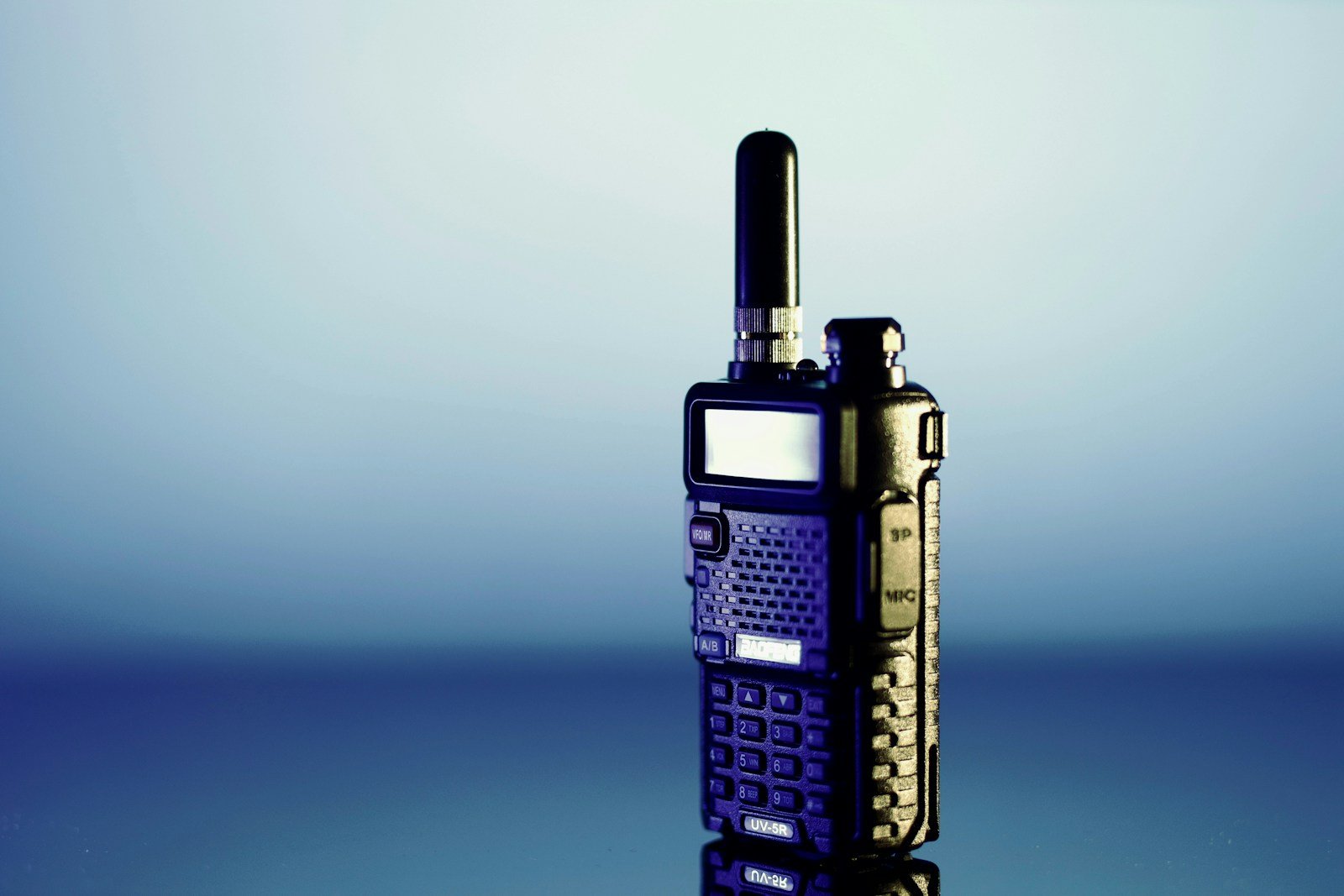
3. The Eyes and Ears on the Ground: From their strategic positions, they have a panoramic view of the event. They are trained to spot potential hazards before they escalate—a spilled drink that could cause a slip, a frayed cable in a walkway, a group that is becoming overly rowdy. By identifying these micro-issues early, they can address them or radio for the appropriate support (medical, security, cleaning), often preventing a minor issue from becoming a major incident.
4. The Masters of De-escalation: Crowds are emotional. Long lines, heat, and confusion can shorten tempers. A professional Crowd Control Assistant is trained in verbal judo—the art of using calm, non-confrontational communication to defuse tension. Their presence is meant to be reassuring and authoritative, not intimidating. By managing frustrations with empathy and firmness, they maintain the event’s positive atmosphere.
Why “Just Anyone with a High-Viz Vest” Isn’t Enough
The biggest mistake an event organizer can make is underestimating this role. Handing a high-visibility vest to an untrained staff member and asking them to “stand here” is a recipe for failure. The modern Crowd Control Assistant requires a specific and trained skillset:
Situational Awareness: The ability to track multiple elements at once—individual behavior, overall crowd density, potential environmental hazards.
Exceptional Communication: Clear, confident, and polite interaction with the public, coupled with concise radio communication to the command center.
Empathy and Patience: Understanding that a frustrated guest is not a threat, but a person who needs help and reassurance.
Knowledge of Venue and Protocols: Intimate familiarity with the event layout, emergency exits, and specific procedures for medical, security, and evacuation scenarios.
The OnForce Difference: Training for Prevention, Not Just Reaction
At OnForce, we don’t just provide bodies to fill a post. We provide trained safety and experience professionals. When you hire our crowd management teams, you are investing in:
Pre-Event Briefing: Our teams are thoroughly briefed on your specific event’s run-of-show, layout, and potential risk points. They don’t just know where to stand; they know why they are standing there and what to look for.
Professional Demeanor: Our personnel are vetted for their customer service attitude and calm temperament. They understand they are representing your brand and that their interaction with a guest can be the difference between a five-star review and a social media complaint.
Proactive Mentality: We train our teams to be forward-thinking—to identify and solve problems before they impact the guest experience. This shift from reactive to proactive management is what defines a world-class event.
The success of a large-scale event is measured in the absence of problems. No news is good news. When your attendees leave feeling exhilarated, safe, and having had a wonderful time without ever knowing why, that is the ultimate sign that your crowd management strategy worked.
It means your Crowd Control Assistants were there, doing their job perfectly in the background. They are the invisible hand that guides the crowd, ensuring the only thing that makes waves is the entertainment on stage. In the complex ecosystem of an event, they are the vital stabilizers, and that is an investment no organizer can afford to overlook.
Recent Posts

5 Ways Event Staff Can Boost Audience Engagement

The Hidden Value of On-Site Social Media Teams at Live Events