



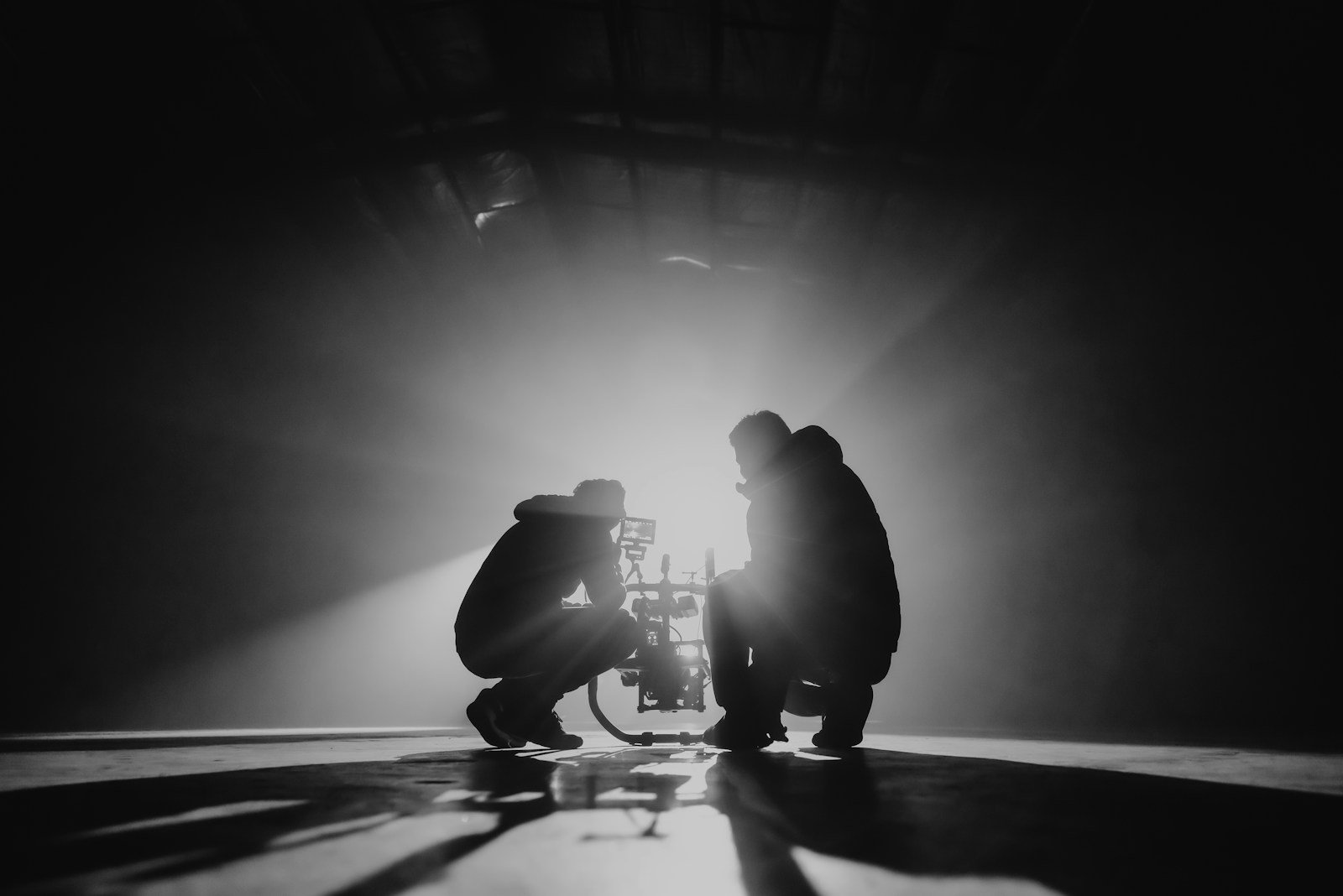
Behind the Scenes: How Production Runners Keep Events Running Smoothly
If you’ve ever been to a flawless event—a concert where the sound was perfect, a conference where every speaker transitioned seamlessly, a wedding where the champagne never stopped flowing—you’ve witnessed a minor miracle. But you haven’t seen the secret weapon. While everyone applauds the visible stars—the host, the band, the keynote speaker—an unsung hero is working in the shadows, moving at a speed just below a sprint: the production runner.
At OnForce, we don’t just provide staff; we provide the nervous system of an event. And the production runner? They are the vital synapses, firing messages and resources to every corner of the operation to keep the entire body alive and kicking. They are the Swiss Army knives of the event world, and today, we’re pulling back the curtain on why they are the true guardians of grace under pressure.
More Than Just a “Go-Fer”: The Anatomy of a Modern Runner
The old stereotype of a runner is the kid who gets coffee. Let’s bury that cliché right now. In today’s high-stakes event environment, a production runner is a logistics ninja, a problem-solver, and a communications hub. They are the critical link between the event coordinator’s strategic brain and the hands-on work happening on the front lines.
Their value isn’t in performing a single specialized task, but in their unique ability to do a little of everything. They possess a breathtakingly diverse mental checklist that evolves by the minute.
A Day in the Life: The Controlled Chaos of a Runner’s Shift
So, what does it actually look like? Imagine this:
Pre-Show: The Calm Before the Storm. While the crew is building the stage, the runner is their lifeline. They’re the ones who suddenly appear with the specific XLR cable the audio engineer is missing, the extra gaff tape for the lighting team, and the bottled water for the riggers sweating in the rafters. They’ve memorized the location of every spare part, every tool, and every emergency kit. They’ve already done a recon mission to find the nearest open store that sells extension cords, just in case.
During Show: Putting Out Fires (Sometimes Literally). This is where the runner earns their stripes. The show is live. The Event Coordinator is glued to the script, headset on. A problem arises.
A VIP guest has arrived at the wrong entrance. The runner is dispatched to escort them discreetly to their seat without causing a disruption.
The keynote speaker decides, five minutes before going on, that they want lukewarm water with lemon, not cold water. The runner is already en route to the green room.
A critical piece of presentation equipment fails. While the tech team diagnoses, the runner sprints to the production office to retrieve the backup.
Their job is to absorb these tiny crises and solve them so efficiently that the audience and the client remain completely unaware that anything was ever wrong. They are the event’s immune system.
Post-Show: The Invisible Cleanup. When the last applause fades, the guests leave, and the performers retreat to their dressing rooms, the runner is on. They’re collecting equipment, helping to pack delicate gear, ensuring personal items are returned to their owners, and coordinating the return of borrowed items. They are the last line of defense against loss and disorganization, ensuring the pack-down is as smooth as the load-in.
The Unseen Skillset: What Makes a Great Runner?
You can’t just hand someone a radio and call them a runner. The role demands a specific and rare combination of traits:
1. Anticipatory Instincts: A good runner follows orders. A great runner anticipates needs before the order is ever given. They see a speaker fiddling with their mic and arrive with fresh batteries. They notice the registration desk is running low on programs and bring more before anyone has to ask.
2. Unflappable Composure: Events are pressure cookers. Tempers can flare, timelines are tight, and chaos is always lurking. The runner must be an island of calm. They listen carefully, process information quickly, and move with purpose, not panic. Their calmness is contagious and helps stabilize the entire crew.
3. Radar and Resourcefulness: They have an internal GPS for the venue, knowing the fastest route from the main stage to the loading dock and where to find a safety pin at a moment’s notice. They are masters of resourcefulness, knowing how to MacGyver a solution with whatever is on hand.
4. Communication and Discretion: They are fluent in the concise, clear language of radio communication. But perhaps more importantly, they understand discretion. They might be handling confidential documents, escorting high-profile guests, or dealing with a behind-the-scenes issue. Trust is their currency.
The OnForce Difference: Investing in the Invisible
At OnForce, we understand that the quality of your runner can make or break your event’s flow. That’s why we don’t treat this role as an entry-level afterthought. When you hire an OnForce production runner, you’re getting a professional.
Our runners are vetted for initiative and composure. They are briefed not just on their tasks, but on the context of your event—the client’s brand, the key personnel, and the overall goal. They are trained to be proactive partners to your coordination team, an extension of your own eyes and ears.
We provide the human infrastructure that allows the glamorous parts of your event to shine. The brilliant lighting looks, the crystal-clear audio, the engaging host—all of it rests on the foundation of seamless logistics provided by a dedicated crew, with the production runner at its very heart.
So the next time you experience an event that feels effortless, take a moment to consider the controlled chaos happening just out of sight. And know that somewhere in the shadows, a production runner is already two steps ahead of the next potential problem, ensuring the magic continues, uninterrupted. That’s the OnForce promise, working behind the scenes.
Recent Posts

5 Ways Event Staff Can Boost Audience Engagement

The Hidden Value of On-Site Social Media Teams at Live Events